
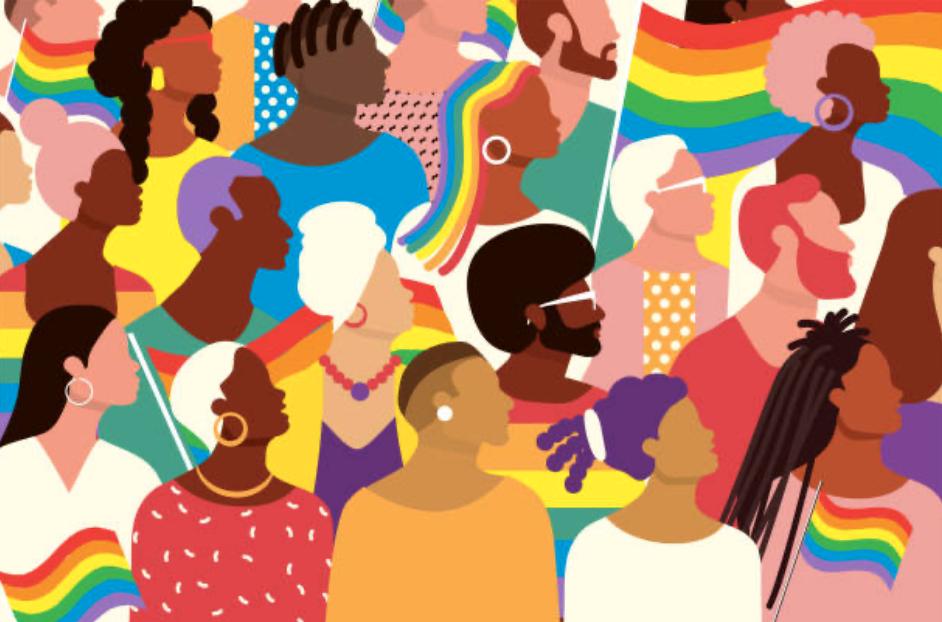
No Pride Without Safety
Pride first emerged in the 1970s as a movement of resistance against police violence, state repression and discrimination towards LGBTQ+ communities. The movement gained momentum during the AIDS crisis of the 1980s, when governments largely failed to respond and communities were forced to organise for their own survival. Since then, significant progress has been made, from marriage equality and adoption rights to greater LGBTQ+ visibility in politics, media and popular culture.
Yet equality remains far from a reality. Around 88% of LGBTQ+ people report experiencing sexual harassment and 77% sexual assault since the age of 18, while many survivors never report abuse due to stigma, fear of being outed, and inadequate support services. At a time when LGBTQ+ rights are facing renewed backlash, including in the UK, Pride remains as much a call to action as a celebration. Together, we must continue to challenge discrimination, support survivors, and ensure that everyone can live with dignity, safety, and equality.

Women in the workplace: between visible discrimination and structural inequality
Workplaces play a central role in our lives, yet discrimination and harassment remain widespread. In the UK, around 40% of women have experienced unwanted sexual behaviour at work, while the gender pay gap still stands at 12.8%. But inequality at work is not always explicit. Women and minority groups also face structural barriers, from the “glass ceiling” limiting career progression to the “glass cliff”, where they are more likely to be promoted into high-risk leadership positions during periods of crisis.
Creating safer and more inclusive workplaces therefore requires both immediate and long-term action. Organisations must strengthen anti-harassment policies, reporting mechanisms and workplace training, while also addressing deeper structural inequalities through transparent promotion criteria, equal access to leadership development, and better support systems for leaders in high-pressure roles. Without this, workplaces cannot become truly equitable spaces for everyone.
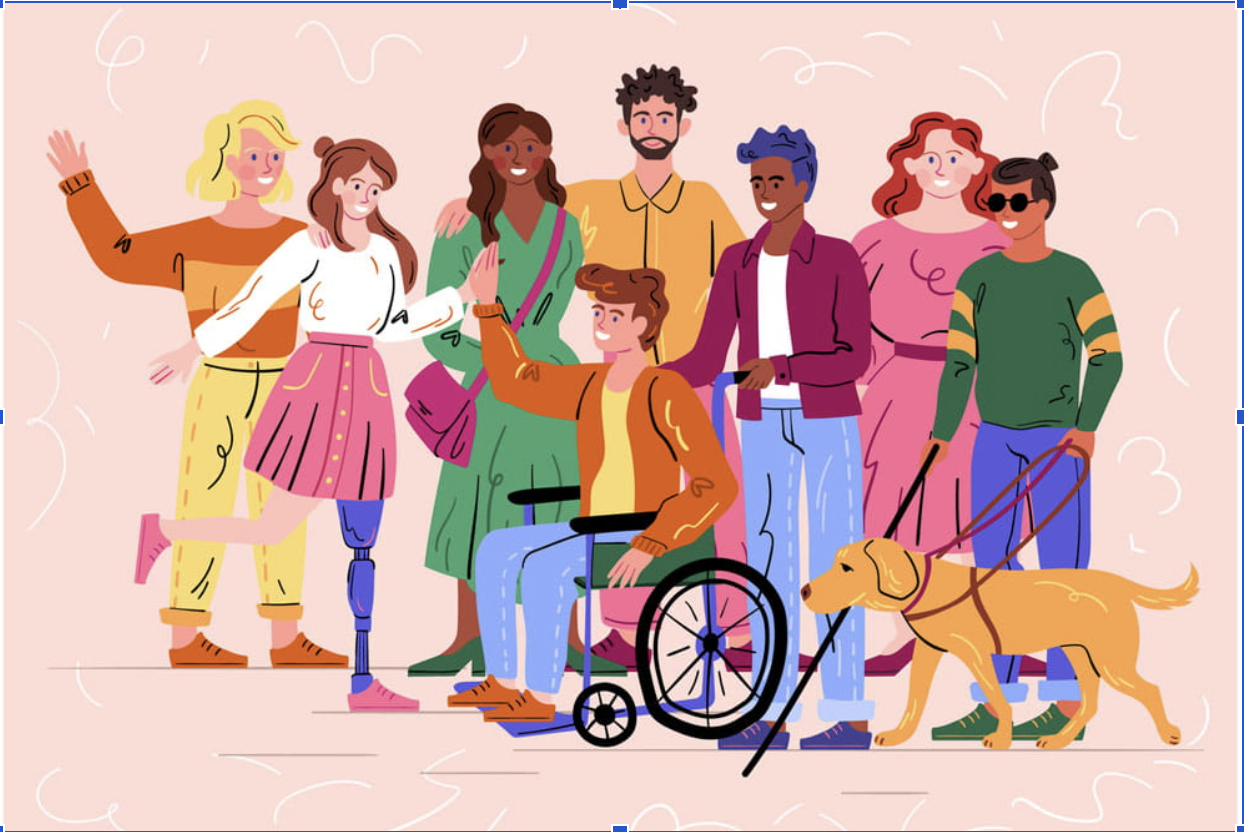
Beyond the margins: feminist justice for all bodies
Recent welfare cuts in the UK risk pushing thousands into poverty, with disabled women likely to be among the most affected. Indeed, as women make up the majority of disabled people and remain among the most disadvantaged in the labour market, they are particularly vulnerable to financial insecurity. But beyond the economic impact, these cuts also remove a vital lifeline for a group significantly more exposed to domestic abuse, where financial independence can be crucial to leaving unsafe situations.
The invisibility of disabled women within society extends into feminist movements themselves. Without critical self-reflection, they reproduce ableist biases, with disabled women too often reduced to symbolic inclusion rather than meaningfully heard. As a result, mainstream advocacy frequently fails to address the specific barriers they face. A truly inclusive feminism must centre disabled women’s experiences and ensure their voices shape decision-making. Transformative change cannot be achieved while leaving the most marginalised behind.
Between resistance and sisterhood: why feminist engagement matters
International Women’s Day, marked every March 8th, was never just a symbolic celebration. Its history can be traced back to egalitarian politics, from women striking in New York City for fair conditions, to Russian women demanding “bread and peace” in 1917. From the suffragettes to #MeToo, feminist movements have been in constant evolution but always rooted in resistance, fighting for rights that were never given, only won.
If IWD remains a landmark event each year, it is partly because the fight for equality is not over. Gender inequalities remain stark, whether in economic conditions, political representation, or sexual violence. But these movements offer far more than a platform. Built around the concept of sisterhood, they celebrate differences and allow every woman to belong, fostering deep bonds that enhance every aspect of their lives and provide invaluable support across all life stages.

Couting men in
Feminism in the UK is facing a shifting backdrop, with the term increasingly turned into a cultural and political battleground. Only 28% of men now identify as feminists, and younger generations are the most divided. This retreat not only perpetuates gender-based violence but also fosters toxic masculinity, leaving men’s experiences of abuse largely invisible.
Patriarchy harms everyone, and dismantling it requires collective effort. Individual allyship - from speaking out against everyday sexism to amplifying others’ experiences - matters, but lasting change also requires systemic action. Schools, media, and workplaces must challenge rigid gender norms and show young people that feminism is not a zero-sum struggle. Counting men in isn’t about blame; it’s about recognising that gender equality benefits all and cannot be achieved through division.

Sexual violence in UK higher education
In 2025, the state of sexual misconduct in UK universities was described as a “national scandal”: 14% of final-year students had experienced sexual assaults during their studies, with women and marginalised groups disproportionately affected.
While sexual violence in UK universities is shaped by specific institutional and environmental failures, including a sexist lad culture and a legacy of institutional neglect, its persistence ultimately reflects deeper societal norms rooted in rape culture. University-level reforms, like those introduced by the Office for Students in August 2025, are therefore necessary and welcomed but are not sufficient. Without wider cultural change that challenges sexism and victim-blaming, sexual violence will continue to shape student life.